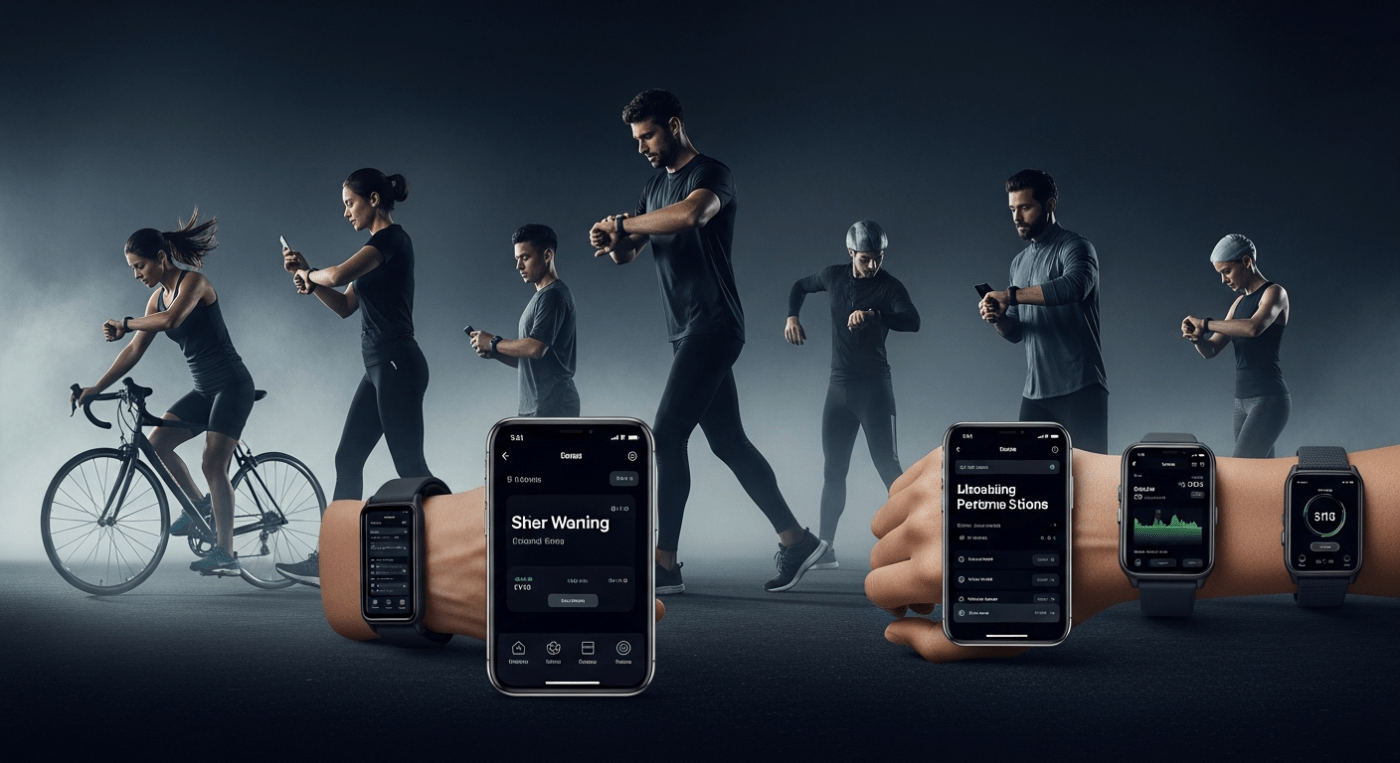
Training hard is only half the job. The other half is knowing whether your hard work is actually paying off. That’s where performance tracking tools come in, and for athletes at every level, they’ve changed how training decisions get made.
This isn’t about collecting data for the sake of it. The right tools give you a clear picture of where you are, what’s working, and where you’re wasting effort.
What Performance Tracking Actually Means
Performance tracking is the process of measuring, recording, and reviewing athletic output over time. It covers everything from pace and heart rate to recovery scores, power output, sleep quality, and body composition.
The goal isn’t to stare at numbers all day. It’s to spot patterns you’d never notice otherwise. Why do you always feel flat on Thursdays? Why did your pace drop in mile four last Tuesday? Tracking gives you answers instead of guesses.
Types of Online Performance Tracking Tools
Not all tools do the same thing. Here’s how the main categories break down.
Pace and Speed Calculators
For runners, cyclists, and swimmers, pace tracking is the foundation of everything. Knowing your current pace per mile or kilometer helps you set realistic race goals, structure training zones, and measure progress week over week.
Tools like Tally’s pace calculator let you input your time and distance to get your exact pace, or work backward from a goal finish time to find the pace you need to hit. It’s simple, fast, and useful whether you’re planning a 5K or a full marathon.
GPS and Activity Tracking Platforms
Apps like Strava, Garmin Connect, and Polar Flow pull data directly from your GPS watch or phone. They track your route, elevation, distance, pace, and heart rate in real time, then store everything so you can review it later.
What makes these platforms powerful is the historical view. You can see how your average pace on a standard route has changed over three months, or check whether your heart rate at the same effort level has dropped (a sign your fitness is improving).
Heart Rate and Training Zone Monitors
Heart rate data tells you how hard your body is actually working, not just how fast you’re moving. Tools built around heart rate zones help you make sure your easy days stay easy and your hard days hit the right intensity.
Training platforms like TrainingPeaks and Polar Flow calculate your zones based on your max heart rate or lactate threshold test, then flag workouts that were too hard, too easy, or right on target.
Power Meters and Wattage Tools (Cycling and Running)
Power is the most objective measure of athletic output. Unlike pace (which changes with terrain and wind) or heart rate (which lags behind your effort), power is instant and consistent.
Cycling platforms like Zwift and TrainingPeaks use functional threshold power (FTP) as the anchor for all training zones. Running power, tracked through tools like Stryd, is gaining ground as a reliable metric for trail runners where pace becomes less meaningful.
Strength and Load Tracking Apps
Endurance athletes aren’t the only ones who benefit from tracking. Strength athletes use apps like Hevy, Strong, and Volt Athletics to log lifts, track progressive overload, and monitor volume over training blocks.
Tracking training load matters here. Too much volume too fast leads to injury. A good tracking app flags when weekly tonnage jumps too sharply and gives you a reason to pull back before something breaks down.
Recovery and Readiness Tools
You can’t assess performance without assessing recovery. Tools like WHOOP, Oura Ring, and HRV4Training measure heart rate variability (HRV), sleep quality, and resting heart rate to give you a daily readiness score.
HRV is one of the most reliable indicators of recovery status. When it drops significantly below your baseline, your nervous system is under stress, and training hard on that day usually makes things worse. Recovery tracking takes the guesswork out of deciding when to push and when to back off.
How to Choose the Right Tracking Tool
The best tool is the one you’ll actually use consistently. A few things worth thinking about before you commit:
What metric matters most for your sport? Runners and cyclists live by pace and power. Strength athletes care about volume and load. Swimmers track stroke rate and split times. Match the tool to what you’re actually trying to measure.
Does it integrate with your current gear? If you already have a Garmin watch, a Garmin Connect account makes sense. If you’re device-agnostic, platforms like Strava and TrainingPeaks connect to nearly everything.
Do you need coaching features? Some platforms let coaches assign workouts, review your data, and send feedback directly. If you work with a coach, this is worth prioritizing.
How much detail do you want? Some athletes want a simple weekly mileage log. Others want TSS scores, chronic training load curves, and form charts. Know your comfort level before picking something with 40 metrics you’ll never look at.
Getting Real Value From Your Data
Tracking data is only useful if you review it. Set aside time each week, even just 10 minutes, to look at what you logged. Ask simple questions. Did your pace improve on the same route? Did your resting heart rate stay stable? Did you hit your planned workouts or skip them?
Over time, patterns emerge. You might notice your performance dips after back-to-back hard days, or that your best workouts come after nights with more than seven hours of sleep. Those patterns are the whole point.
One thing to watch for: don’t chase the data at the expense of listening to your body. Numbers are a tool, not the truth. If your readiness score says you’re good to go but your legs feel like concrete, trust your body. The best athletes use data to inform decisions, not replace them.
Building a Simple Tracking System
You don’t need every tool at once. A straightforward system works just as well.
Start with one core metric. For runners, that’s pace. For cyclists, it’s power or pace. For gym athletes, it’s weekly training volume. Track that one thing consistently for six weeks before adding anything else.
Add a recovery check-in. Even without a wearable, you can log your sleep hours, energy level, and mood each morning in a simple notes app. That data is more useful than most people think.
Review monthly, not just weekly. Short-term data is noisy. A single bad workout doesn’t mean anything. Monthly trends tell you whether your fitness is moving in the right direction.
The Bigger Picture
Athletes who track their performance improve faster than those who don’t. That’s not an opinion, it’s what the research consistently shows. Structured, data-informed training removes the randomness from the process.
The tools exist at every price point and complexity level. Whether you’re using a free pace calculator before a Sunday run or a full coaching platform with power data and HRV tracking, the principle is the same: know where you are, track where you’re going, and adjust when the data tells you something’s off.
Pick your tools, stay consistent, and let the numbers guide your next move.
 Guardian
Leave a comment